- Introduction to Peptides
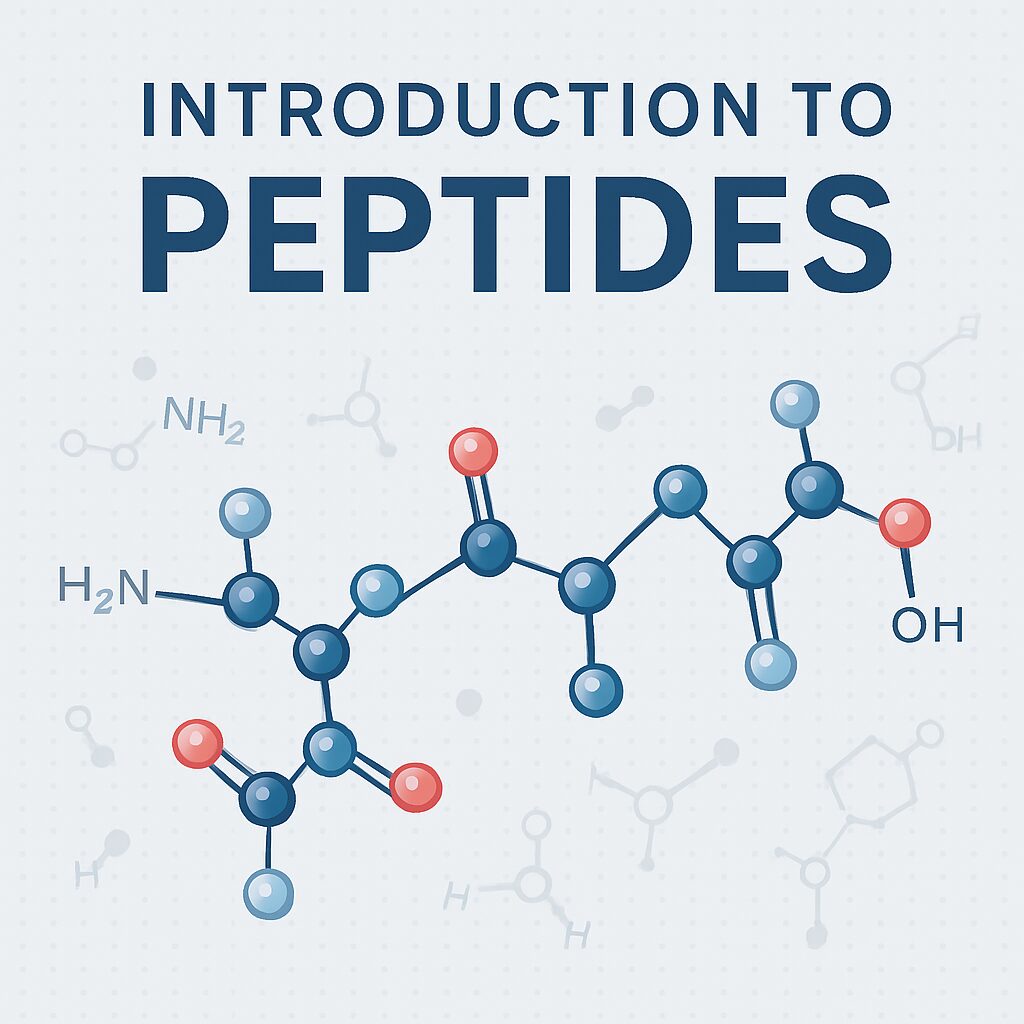
- 1.1 What Are Peptides?
- 1.2 How Peptides Differ from Proteins
- 1.3 The Chemical Structure of Peptides
- 1.4 The Biological Roles of Peptides Across Life Forms
- 1.5 Historical Milestones in Peptide Research
- 1.6 Major Categories of Peptides in Research and Medicine
- 1.7 Natural vs. Synthetic Peptides: Expanding the Toolbox
- 1.8 The Process of Peptide Synthesis: From Concept to Molecule
- 1.9 Analyzing Peptides: Tools for Structure, Purity, and Function
- 1.10 Challenges in Peptide Research and Therapeutic Development
- 1.11 Opportunities and Innovations in Peptide Science
- 1.12 The Future of Peptide Science
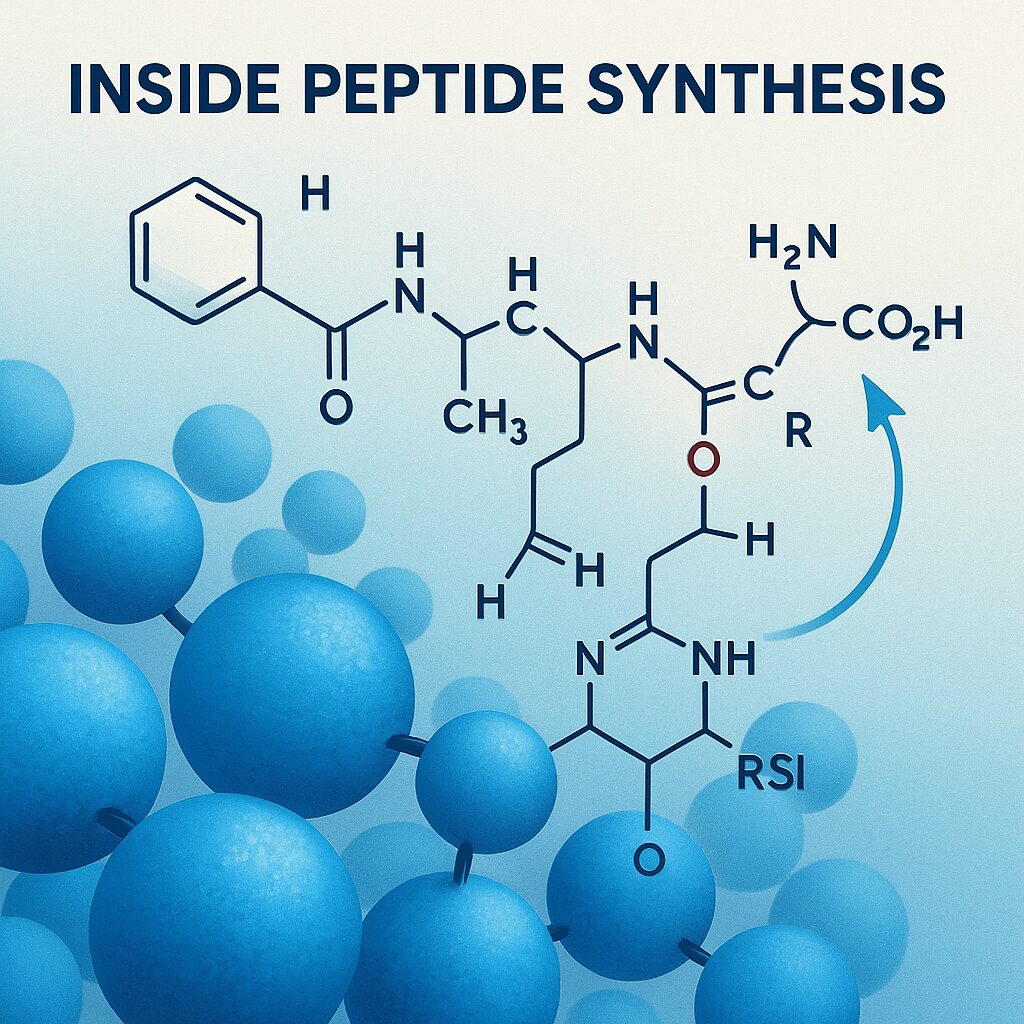
- Inside Peptide Synthesis
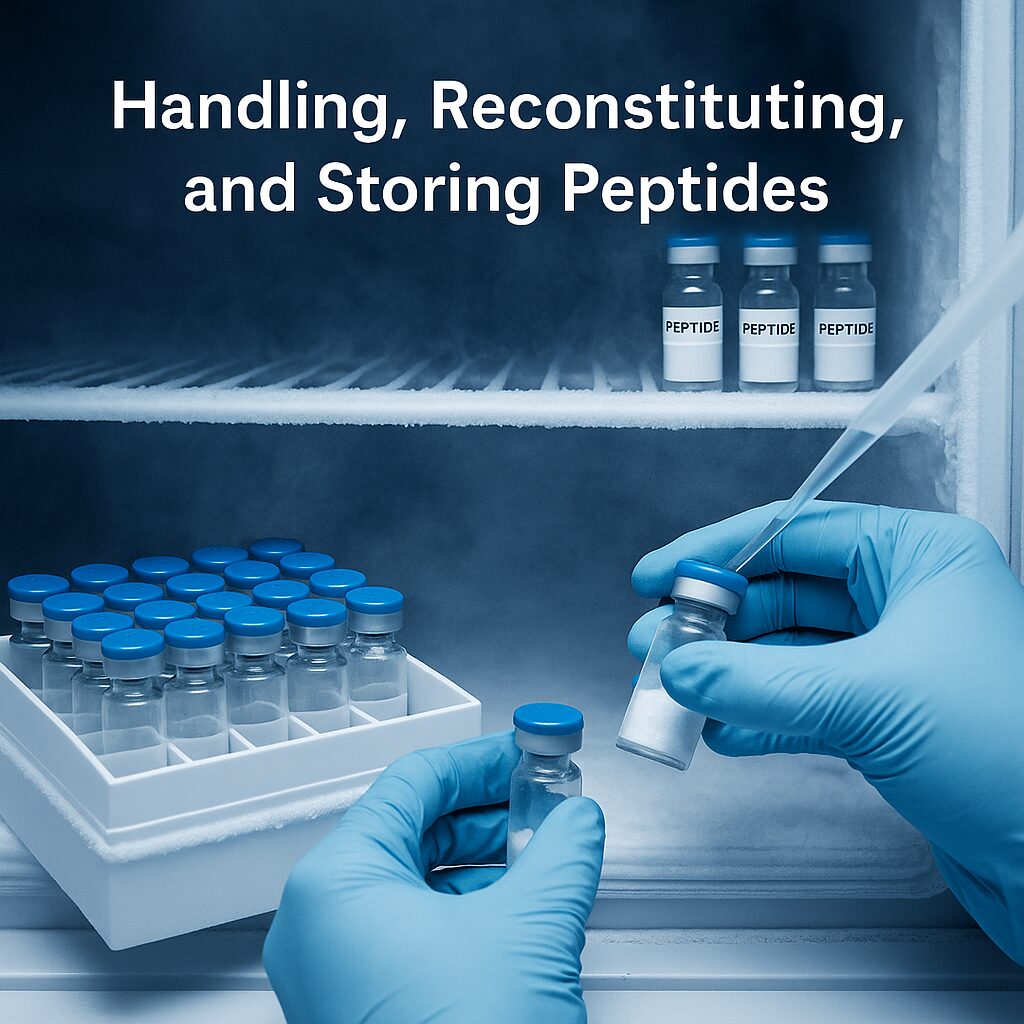
- Handling, Reconstituting, and Storing Peptides
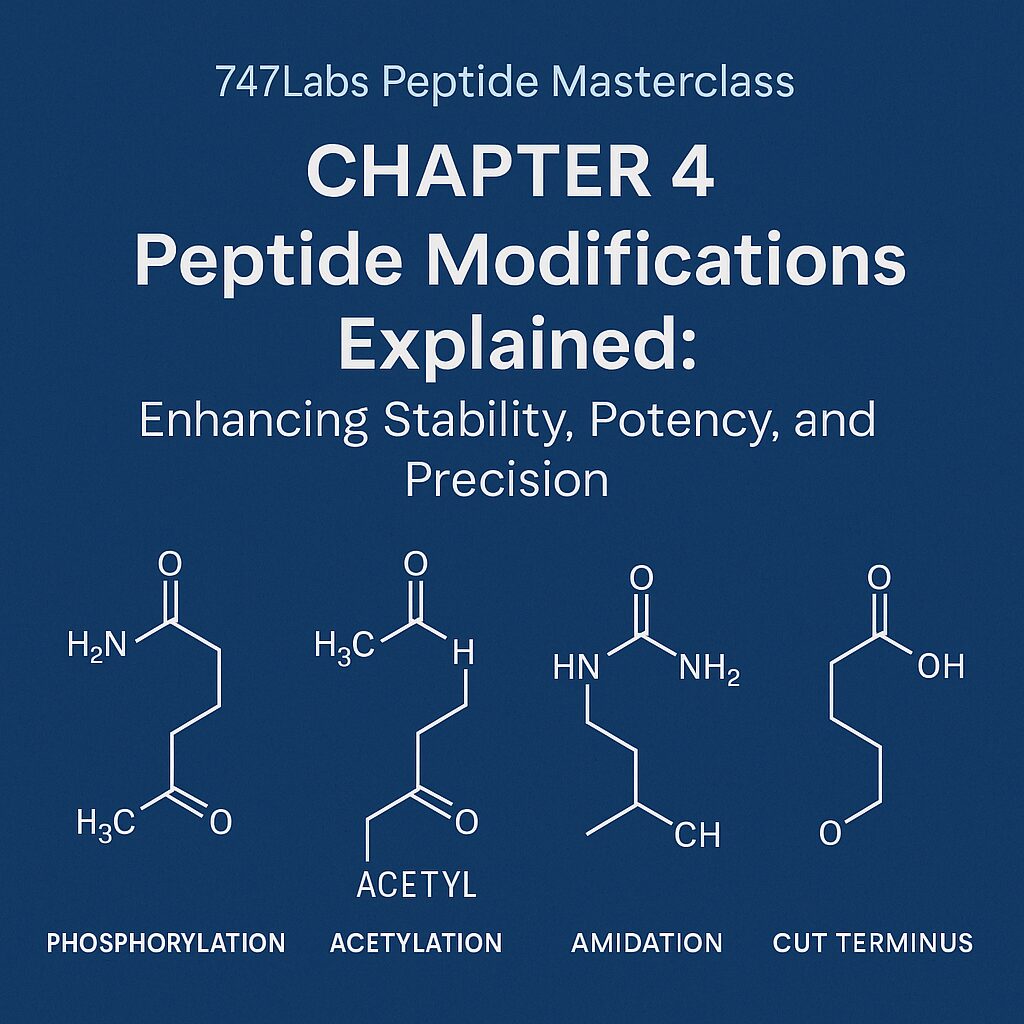
- Peptide Modifications Explained
- 4.1 Acetylation: Protecting Termini and Modulating Charge
- 4.2 Phosphorylation: Mimicking Signaling Cascades
- 4.3 Cyclization: Locking Conformations for Rigidity and Resistance
- 4.4 PEGylation: Extending Half-Life Through Size and Shielding
- 4.5 Biotinylation: Enabling Detection and Conjugation
- 4.6 Choosing and Combining Modifications: Strategic Considerations
- 4.7 Emerging Trends and Future Directions
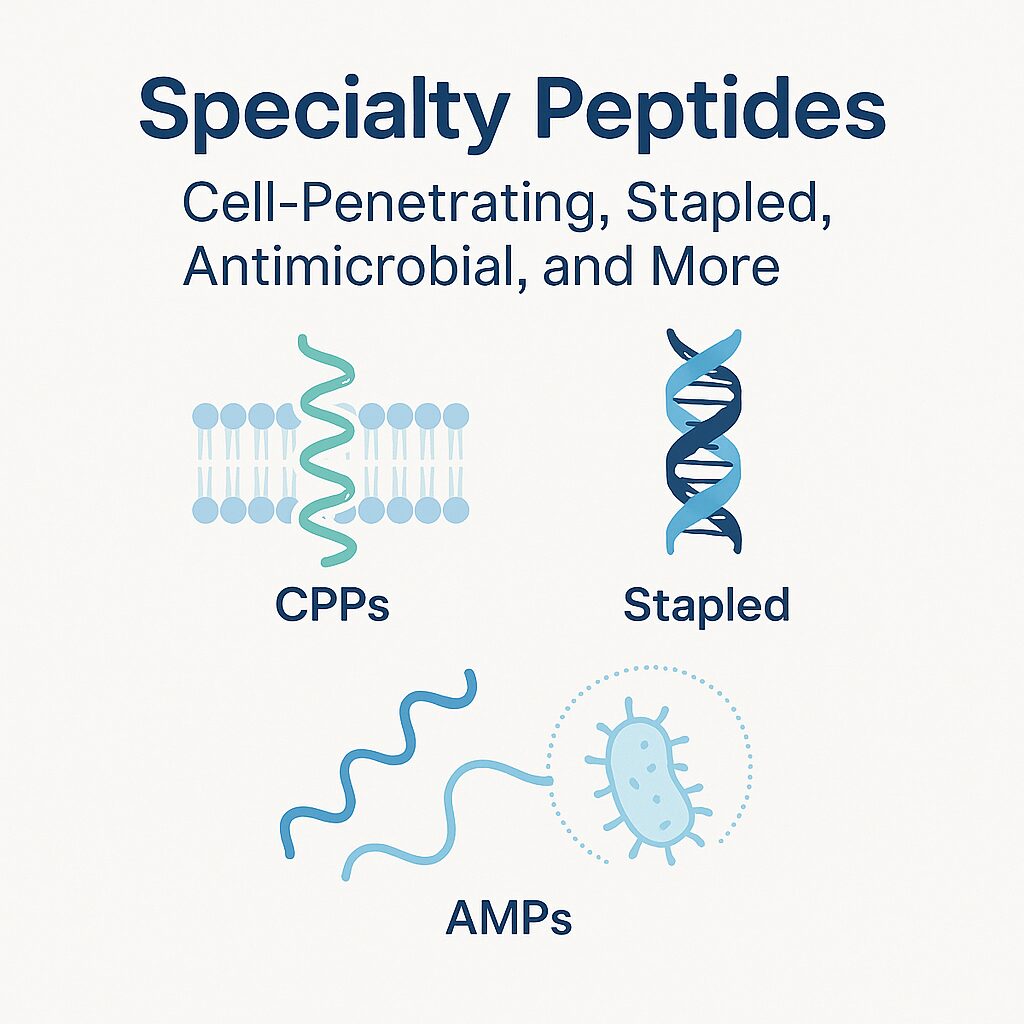
- Specialty Peptides
- 5.1 Cell-Penetrating Peptides (CPPs): Breaching Biological Barriers
- 5.2 Stapled Peptides: Stabilizing Structures for Superior Binding
- 5.3 Antimicrobial Peptides (AMPs): Nature’s Defense Against Pathogens
- 5.4 Other Specialty Peptides: Expanding Horizons
- 5.5 How Specialty Peptides Are Revolutionizing Research and Therapeutics
- Peptides in Drug Discovery
- 6.1 Peptides as Novel Drugs: Targeting Precision Medicine
- 6.2 Peptides in Vaccine Development: Harnessing Immune Responses
- 6.3 Peptides for Diagnostics: Enabling Early Detection
- 6.4 Peptides as Delivery Platforms: Enhancing Therapeutic Efficacy
- 6.5 From Lab Bench to Clinic: The Peptide Discovery Pipeline
- Custom Peptide Design
- 7.1 Fundamentals of Custom Peptide Design
- 7.2 Tools and Strategies for Peptide Sequence Design
- 7.3 Modifications and Enhancements in Custom Design
- 7.4 The Ordering Process: From Quote to Delivery
- 7.5 Applying Custom Peptides in Experiments
- 7.6 Challenges and Best Practices
- 7.7 Case Studies and Real-World Examples
- 7.8 Future Directions
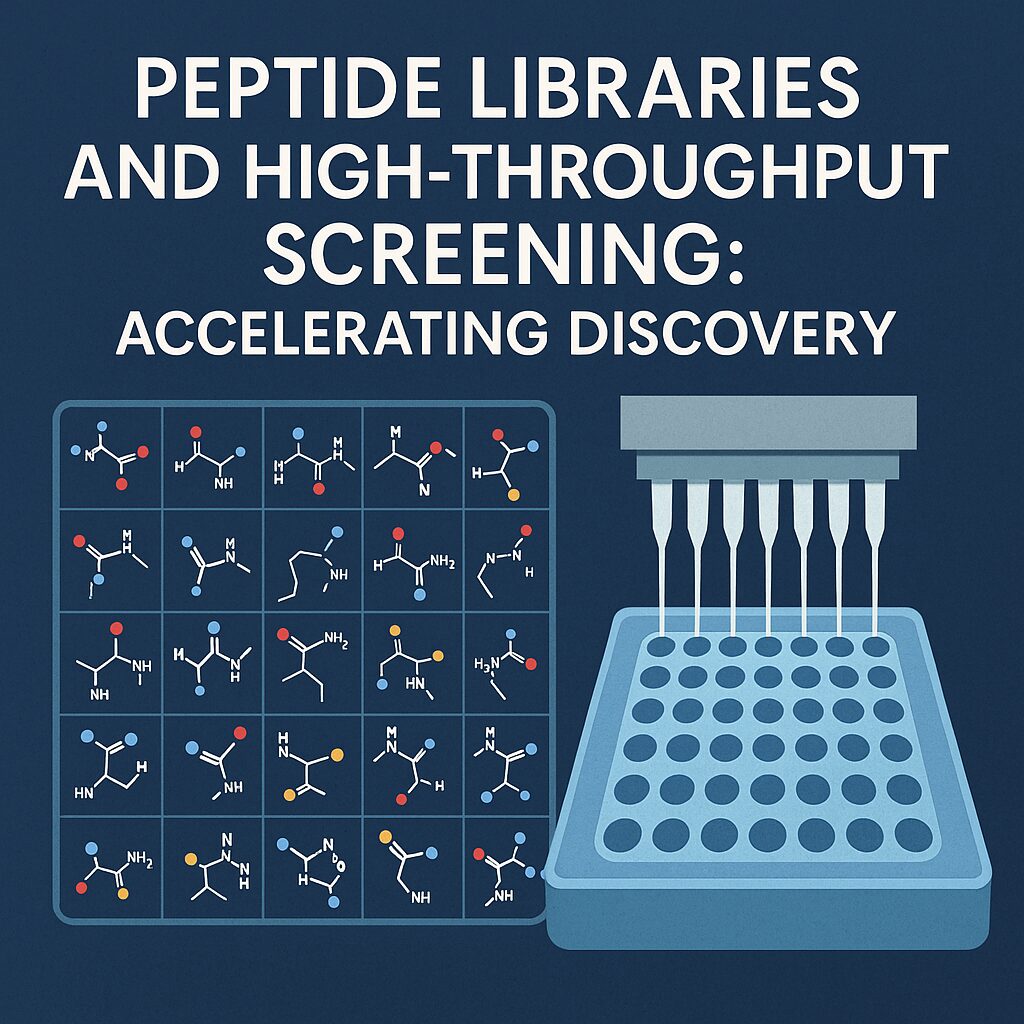
- Peptide Libraries and High-Throughput Screening
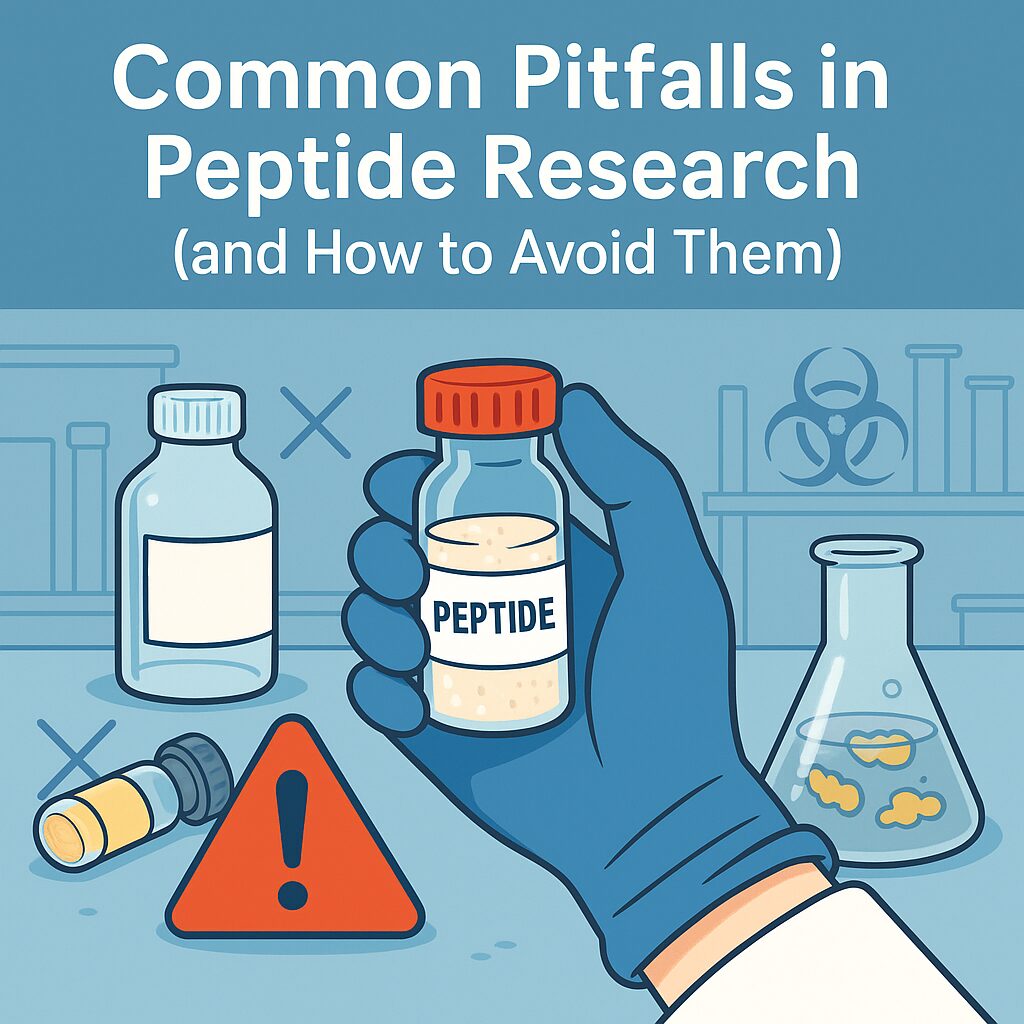
- Common Pitfalls in Peptide Research
- 9.1 Pitfalls in Ordering Custom Peptides
- 9.2 Pitfalls in Handling and Storage
- 9.3 Pitfalls in Experimental Design and Execution
- 9.4 Pitfalls in Data Interpretation
- 9.5 Pitfalls in Peptide Synthesis and Production
- 9.6 Pitfalls in Peptide Stability and Formulation
- 9.7 Pitfalls in Quantification and Proteomics Analysis
- 9.8 Case Studies and Strategies for Future Avoidance
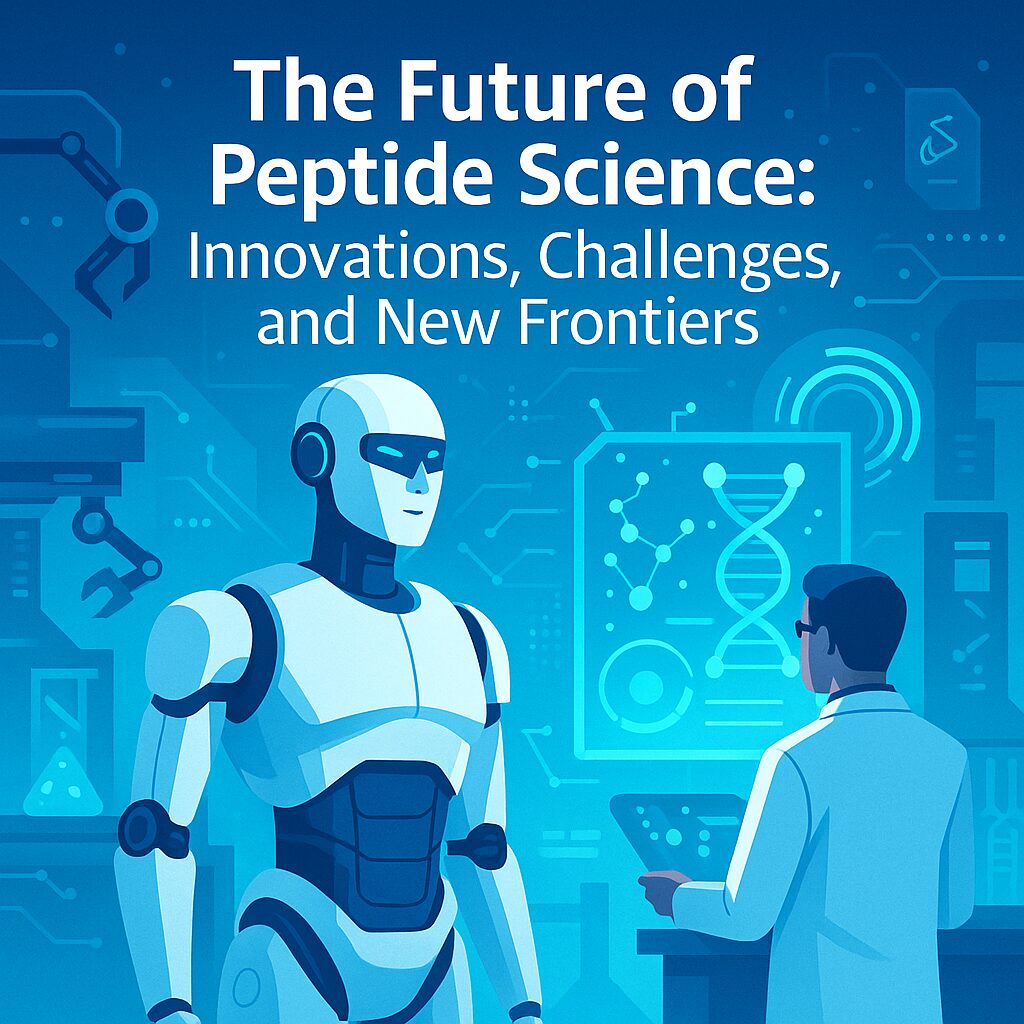
- The Future of Peptide Science
- 10.1 Historical Context and Principles Driving Future Innovations
- 10.2 Innovations in Peptide Synthesis and Design
- 10.3 Emerging Technologies: Peptide Hydrogels
- 10.4 Emerging Technologies: Vaccine Peptides
- 10.5 Emerging Technologies: CRISPR-Peptide Conjugates
- 10.6 Beyond: Other New Frontiers in Peptides
- 10.7 Challenges in the Future of Peptides
- 10.8 Future Directions and Outlook
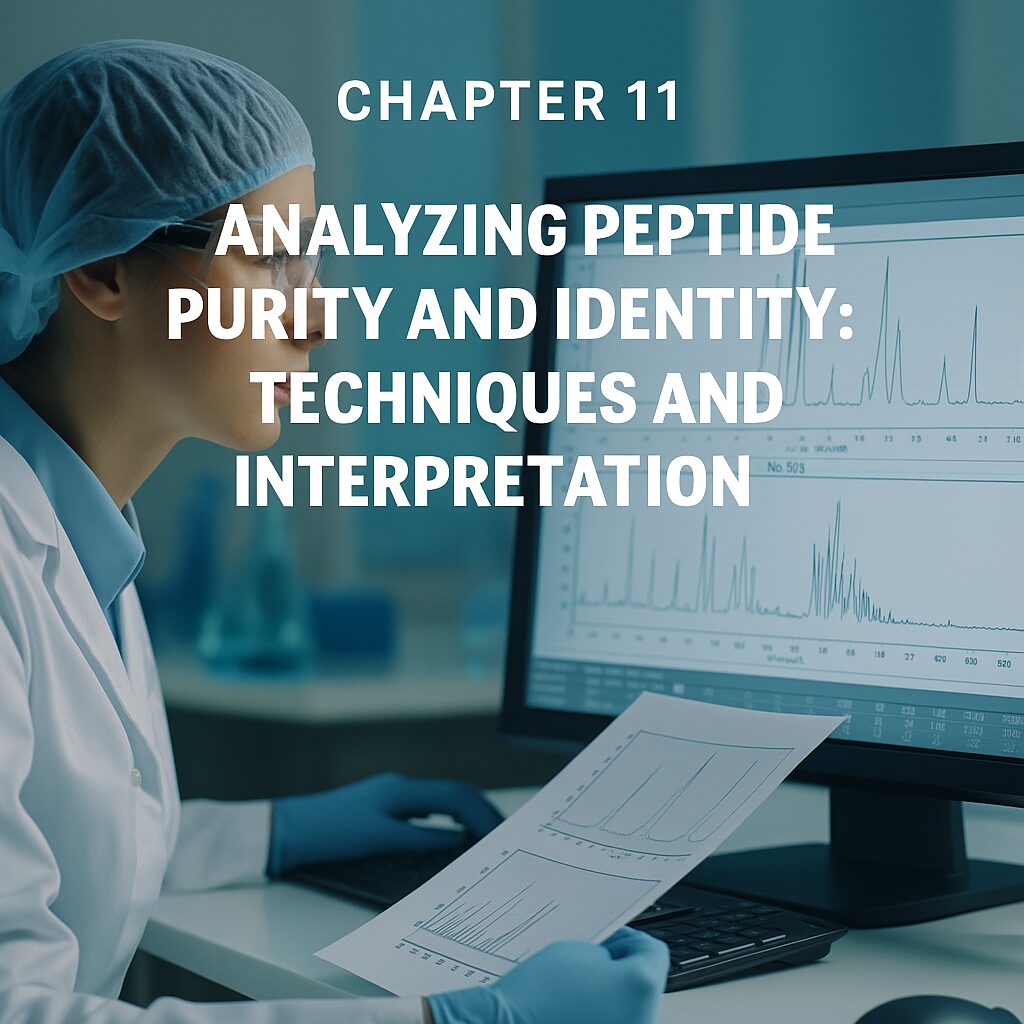
- Analyzing Peptide Purity and Identity
- Compliance, Ethics, and Best Practices
- 12.1 Global Regulatory Environments for Peptide Research
- 12.2 Compliant vs. Non-Compliant Practices:
- 12.3 Marketing and Advertising Rules for Peptides (FTC Guidelines and More)
- 12.4 Operational Compliance: SOPs, Documentation, MSDS, and Training
- 12.5 Ethical Considerations in Preclinical and Post-Market Peptide Use
- 12.6 Affiliate Marketing Governance, Content Disclosure, and Brand Risk
- 12.7 Risk Management: Liability, Insurance, Exposure, and Recall Protocols
- 12.8 Enforcement Case Studies and Precedents
- 12.9 Compliance Best Practices for Different Stakeholders
- 12.10 Forward-Looking Trends and Evolving Compliance Landscape
- 12.11 Evolving Legislation and Regulatory Trends
- Read Our Peptide Blog
Best Sellers
747Labs Presents
The Peptide Masterclass Series
At 747Labs, we believe mastering peptides unlocks the next generation of scientific breakthroughs. Our 12-part Peptide Masterclass Series is designed to take you from foundational knowledge to advanced research applications with clarity, precision, and real-world insights. From understanding the basic structure and synthesis of peptides, to exploring custom modifications, specialty peptides, drug discovery strategies, and future innovations, this series empowers researchers at every level. Whether you’re designing your first peptide experiment or optimizing therapeutic candidates, our masterclass provides the critical knowledge and best practices you need to elevate your research with confidence.
Introduction to Peptides: Building Blocks of Life and Research
Foundational understanding of what peptides are, their biological significance, and their research roles.
Inside Peptide Synthesis: How Modern Research Peptides Are Made
Deep dive into solid-phase peptide synthesis (SPPS), purity standards, and quality control processes.
Handling, Reconstituting, and Storing Peptides: Best Practices
Practical guide to maintaining peptide stability and bioactivity after purchase.
Peptide Modifications: Enhancing Stability, Potency, and Precision
Overview of acetylation, phosphorylation, cyclization, PEGylation, biotinylation, and when to use them
Specialty Peptides: Cell-Penetrating, Stapled, Antimicrobial, and More
Advanced types of peptides and how they’re revolutionizing research and therapeutics.
Peptides in Drug Discovery: From Lab Bench to Clinic
How peptides are used to develop novel drugs, vaccines, diagnostics, and delivery platforms
Custom Peptide Design: Turning Scientific Ideas into Reality
How researchers can design, order, and apply tailor-made peptides for specialized experiments.
High-Throughput Screening: Accelerating Discovery
How diverse peptide collections help find new biological targets faster and more efficiently.
Common Pitfalls in Peptide Research and How to Avoid Them
Mistakes researchers make in ordering, handling, and interpreting peptide experiments — and how to fix them
The Future of Peptide: Innovations, Challenges, and New Frontiers
Emerging technologies like peptide hydrogels, vaccine peptides, CRISPR-peptide conjugates, and beyond
Analyzing Peptide Purity and Identity: Techniques and Interpretation
How to read Certificates of Analysis (COAs), understand HPLC chromatograms, mass spectrometry data to ensure product quality.
Compliance, Ethics, and Best Practices in Peptide Research
A guide to regulatory compliance, responsible peptide use, proper documentation, and maintaining scientific integrity.